6月22日,2023(癸卯)年公祭中华人文始祖伏羲大典暨第32届天水伏羲文化旅游节将在甘肃天水隆重举办。借此盛会,我们以伏羲十四大功绩为内容,通过系列手绘插图的形式,形象生动、艺术化地表现伏羲时代的生活场景和对人类发展的伟大贡献,热忱欢迎大家相约天水,寻根祭祖,打卡伏羲文化,探源文明曙光。今天,我们推出第四期。功绩之七:养蚕化布 改善衣着;功绩之八:疏水造田 繁滋草木。
打卡功绩之七:养蚕化布 改善衣着

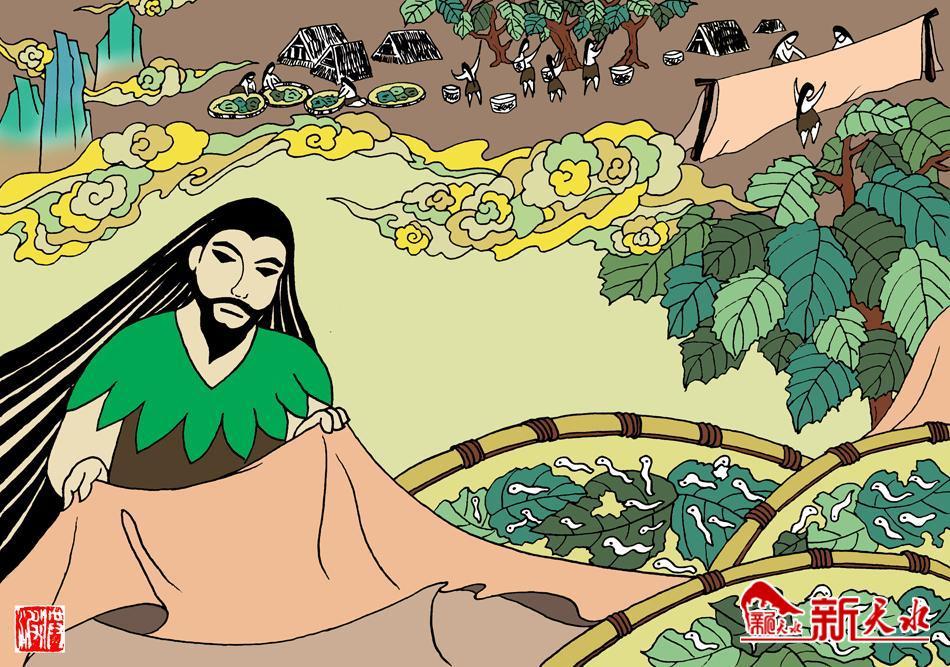
养蚕化布 改善衣着
史载:“伏羲化蚕。”人类早期用树叶、兽皮充衣御寒,“伏羲化蚕化布”,教人们用蚕丝和植物纤维纺线、编网、织布、缝衣着装,不仅使人们抵御寒冷的能力有所提高,而且文明程度进一步发展。
Keeping Silkworm to Improve Cloth
In the early time, people used leaves and animal skin to defend cold. According to the historical records, Fuxi taught people to use silk, and plant fibre knitting, weaving and sewing cloth, which not only improved people's ability to defend against the cold, but also progressed civilization.
打卡功绩之八:疏水造田 繁滋草木

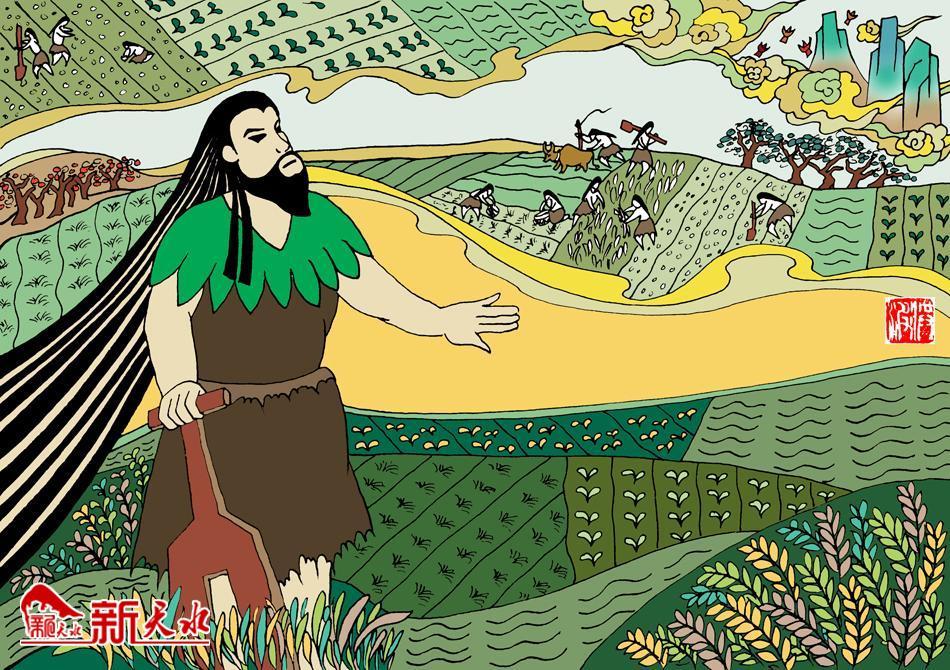
疏水造田 繁滋草木
史载:伏羲氏命粟陆氏为水农氏,繁滋草木,疏导泉源,毋怠于时。命阴康氏主水土为民田,进行刀耕火种,种谷植蔬,形成了原始农业的雏形。
Dredging the Waterway and Assarting the Cropland to Develop the Agriculture
According to the history, Fuxi appointed SuLu to Shuinongshi and his work was to dredge the waterway as soon as possible. And YinKang was assigned to practice slash-and-burn cultivation. These measures formed the rudiment of primordial agriculture.


 无障碍阅读
无障碍阅读

